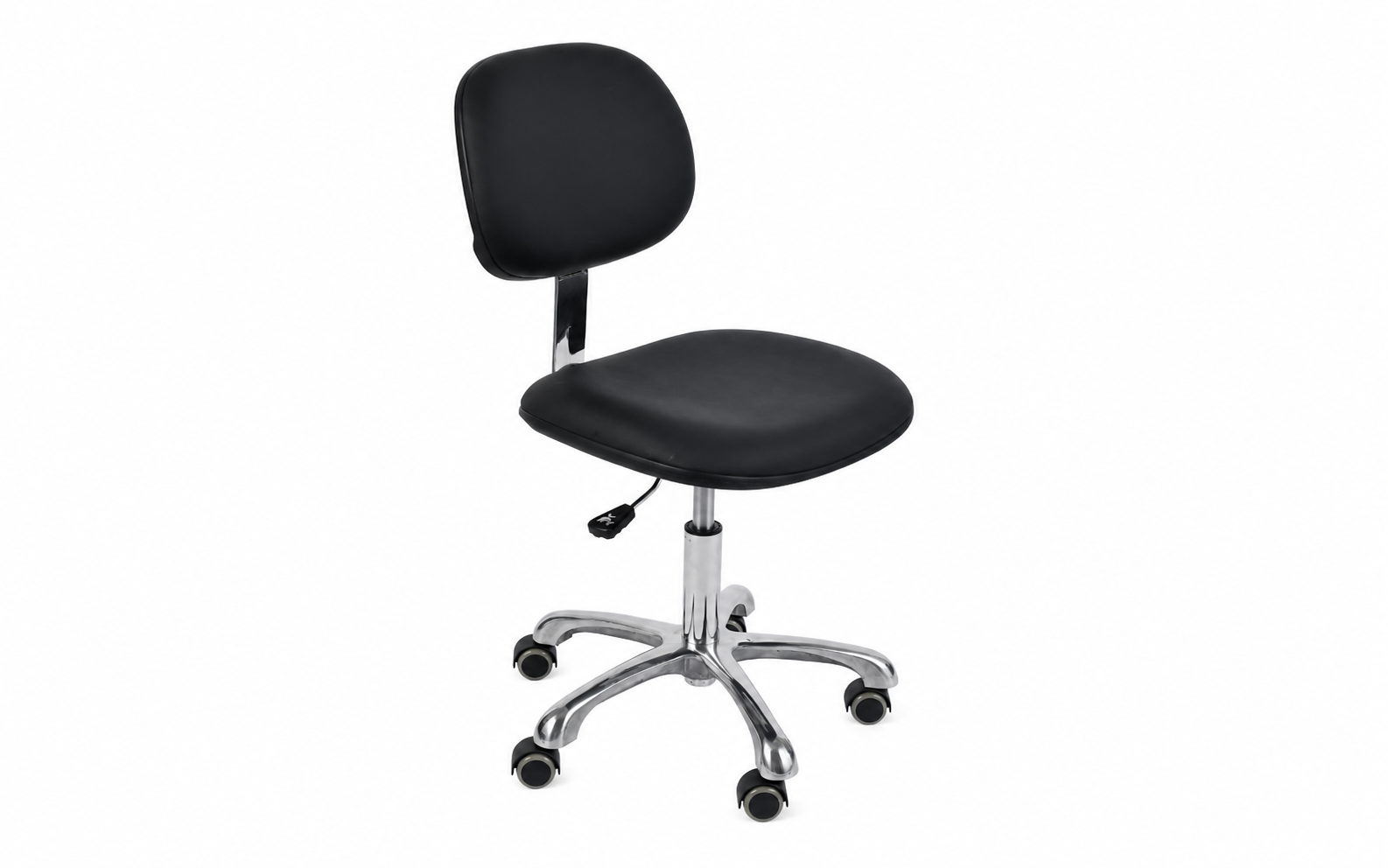
For laboratory chair distributors in Argentina, product samples can turn a hesitant B2B inquiry into a confident purchase decision because buyers can evaluate comfort, stability, cleaning performance, and workstation fit before committing to a larger order. Many procurement teams compare catalog photos, but a physical sample helps decision makers understand real value beyond price. When a dealer brings an industrial polyurethane with chrome foot ring and casters adjustable laboratory chair to a laboratory, hospital, technical school, or quality inspection room, the buyer can test seat height, mobility, foot support, and surface durability in the exact environment where the chair will be used. This practical experience reduces uncertainty, shortens approval discussions, and gives sales teams a stronger reason to follow up with purchasing managers, facility supervisors, and end users at the same time. For B2B sellers, a sample is not a giveaway; it is a conversion tool that turns product claims into visible proof.
A strong sample strategy should begin with customer qualification. Argentine distributors should not send samples randomly to every lead, because each demonstration requires inventory, transport, tracking, and sales attention. Instead, they can select prospects with clear project timing, repeat purchasing potential, multiple workstations, or influence over regional buying decisions. A sample placed in a pharmaceutical laboratory may generate future orders across related departments, while a sample tested by a university can support semester-based procurement. The dealer should prepare the demonstration with a clear objective: confirm user comfort, identify technical requirements, collect feedback, and guide the next quotation. If the sample is an industrial polyurethane with chrome foot ring and casters adjustable laboratory chair, the salesperson can show how one model adapts to benches, training rooms, inspection areas, and production support spaces, helping customers see broader application rather than a single isolated seat purchase.
To improve conversion rates, distributors should control the story around the sample. The chair should arrive clean, assembled correctly, labeled professionally, and supported by a short evaluation sheet. That sheet can ask buyers about seat comfort, adjustment range, caster movement, floor compatibility, foot ring stability, cleaning ease, and perceived durability. These responses create useful evidence for the final proposal and help dealers address objections before the buyer compares lower priced alternatives. In Argentina’s competitive B2B market, many customers need to justify purchases internally, so sample feedback can become a persuasive record for purchasing committees. Photos of the chair in the customer’s workspace, with permission, can also help the distributor prepare more relevant quotations. The goal is to make the customer feel that the supplier understands laboratory workflow, not merely that it can ship furniture from stock or overseas.
After the test, follow up must be immediate and structured. A distributor should summarize the customer’s comments, recommend the correct quantity, explain available stock or lead time, and offer a scalable plan for future replacement needs. If users liked the industrial polyurethane with chrome foot ring and casters adjustable laboratory chair, the proposal can connect their direct experience with commercial benefits such as reduced trial risk, easier standardization, stronger employee acceptance, and fewer specification disputes. Dealers can also reuse anonymized sample results in Google-friendly content, showing how Argentine laboratories evaluate seating before purchase. This creates fresh search visibility for serious buyers looking for practical guidance, not generic product pages. Over time, a disciplined sample program helps distributors separate high-intent leads from casual price shoppers, protect margins, and build trust with laboratories, clinics, universities, and industrial companies. The sample becomes a bridge between technical confidence and purchasing action, making B2B laboratory chair sales more measurable across planned projects, recurring regional accounts, and nationwide sales.
READ MORE